
Animal health
The increasing number of disease outbreaks are spurring the U.S. pork industry’s focus and collaboration on finding new ways to help protect the domestic herd from costly foreign animal diseases (FADs).

Boehringer Ingelheim and the University of Minnesota launched the Mycoplasma hyopneumoniae Eradication Roadmap to equip veterinarians and producers with a resource to inform, prepare and guide them through eradication.

This is the third human case associated with the virus. Last week the U.S. Department of Health and Human Services announced a plan to produce 4.8 million doses of a vaccine for human use to counter H5N1.

The first 10 days were hell, says Kyle Baade, a Nebraska pork producer. After that, if a visitor showed up, he says they would have no idea the farm had any issues. Here’s his PRRS story and how it changed his life.

Although the swine industry is small enough veterinarians will likely run into each other often at meetings, Jana Morgan believes there’s something special about the impact of intentional interaction. Here’s why.

APHIS bolsters animal health protections with more than $22 million in farm bill funding for research projects and vaccine bank.

USDA-FSIS said it collected 30 samples from “states with dairy cattle herds that had tested positive for the H5N1 influenza virus at the time of sample collection.” No virus particles were found to be present.

Federal officials are seeking to verify the safety of milk and meat after confirming the H5N1 virus in nine states since late March. The public health risk is low, but is higher for those exposed to infected animals.

The livestock industry needs a comprehensive, cohesive plan to address the virus. Producers, their employees and veterinarians need clear answers and support from U.S. agricultural leadership, moving forward.

South Dakota Dairy Producers encourages all dairy producers to closely monitor their herd and contact their herd veterinarian immediately if cattle appear symptomatic.

Sid Miller, commissioner of the Texas Department of Agriculture, says the risk of highly pathogenic avian influenza impacting beef cattle in the state’s panhandle – where dairy cows have been infected – is minimal.

NASDA supports farmers and ranchers’ ability to safeguard animal health through the responsible use of vaccines.

The House of Representatives passed the Support for Patients and Communities Reauthorization Act on Tuesday. It will help fight illicit use of the product in humans while preserving access to the drug for animals.

When it comes to preventing a FAD at your operation, remember you are not on your own. There are three levels that must work together to achieve success.

Here’s a look at a recent report on the U.S. susceptibility to JEV related to the availability of competent mosquito vector species, susceptible maintenance avian hosts, as well as intensive travel and trade activities.

Annoying. Bothersome. Irritating. Inconvenience. Pest. No matter how you describe Musca domestica, aka the house fly, and its friend the gnat, one thing’s for sure – they are a nuisance and a threat to your swine herd.

USDA Animal and Plant Health Inspection Service is awarding $2.29 million through the National Animal Health Laboratory Network Farm Bill program to advance APHIS’ animal health preparedness.

Household units and mini fridges are often unsuitable for maintaining veterinary products, according to a recent study by Emmanuel Rollin, DVM, College of Veterinary Medicine at the University of Georgia.

The International Consortium for Antimicrobial Stewardship in Agriculture (ICASA) has awarded nine grants to develop management strategies that improve judicious antibiotic use in beef cattle and swine.

Domestic sales and distribution of medically important antimicrobial drugs approved for use in food-producing animals decreased by less than 1% between 2020-21. Compared to 2015 (peak year), 2021 sales decreased 38%.

PRRS continues to be the most economically significant disease affecting the U.S. swine industry. Boehringer Ingelheim is launching a PRRS Knowledge Manual, chronicling years of research and best practices for control.

When COVID-19 struck, veterinarians engaged in critical conversations with human doctors about herd immunity. Almost a year later, National Pork Board’s Dave Pyburn shares what he’s learned from the human response.

Flies are more than just an annoyance for calves in warm weather. High fly populations also can spread diseases among calves; cause stress and reduced immunity; and negatively impact growth and weight gain.
Access to livestock drugs through over-the-counter (OTC) channels was curbed considerably starting in 2017. Soon, OTC antibiotics may no longer be available through traditional channels at all.

USDA’s Animal and Plant Health Inspection Service has confirmed the presence of highly pathogenic avian influenza in a flock of commercial broiler chickens in Stoddard County, Mo.

Supply-chain disruptions are hitting America’s meat producers and sending them scrambling for alternatives as they seek to care for farm animals and keep down costs.

The goal of the program is to create impactful and innovative outreach tools. This will better enable livestock veterinarians to recognize and address toxicology problems in food animal species.

FADs are a constant threat to the livestock industry. The country is more tuned in to this struggle than ever before with the recent COVID-19 pandemic. National Pork Board’s Dave Pyburn and NCBA’s Ethan Lane discuss why.

If the COVID-19 pandemic has taught the country anything, it’s that there is a tremendous amount of synergy between the circumstances of a pandemic involving humans and those involving animals.
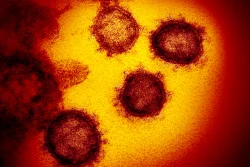
Leading academics from four continents joined U.S., Canadian and international organizations representing farmers to sign an open letter that set the record straight.