

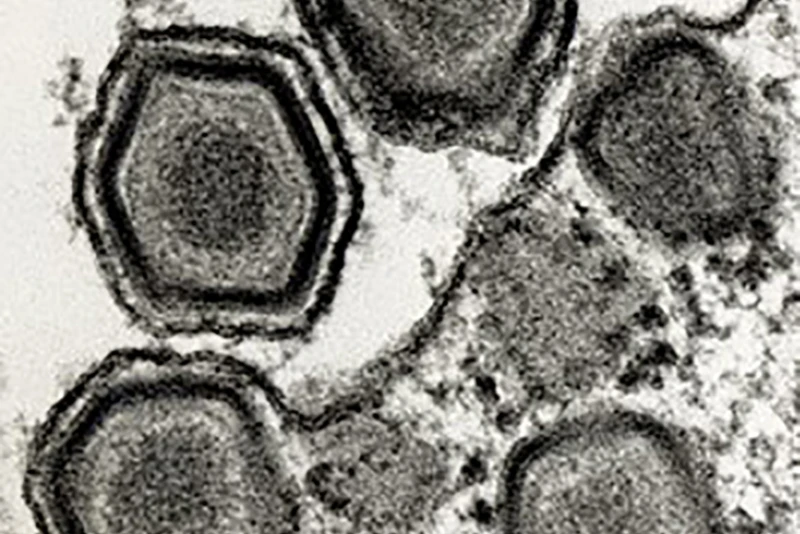
Early detection of African swine fever (ASF) is crucial to prevent and control outbreaks. A new study shows ASF can survive several freeze/thaw cycles, making it easier to enhance biosecurity and detection efforts.
Due to the lack of an effective and safe vaccine to control and prevent ASF, current approaches rely on enhanced biosecurity to prevent the introduction of ASF.
“Early detection is one of the most important factors to determine successful implementation of biosecurity,” researchers shared in a Frontiers in Veterinary Science article.
Environmental samples can help evaluate the level of biosecurity. A group of Kansas State University scientists evaluated the effect of freeze–thaw cycles and storage at 4°C and room temperature (RT) on ASF virus DNA detection in environmental samples.
The study showed ASF virus DNA was stable in environmental samples with no organic contaminants after freeze–thaw and incubation at 4°C and RT. However, incubation at RT negatively affects ASF virus detection in swine feces and feed dust samples that were collected using premoistened gauze, the study shows. Researchers found significant reductions in ASF virus detection in environmental samples in the presence of soil and organic mixture after freeze–thaw and incubation at 4°C and RT.
“These results provide novel insights on the appropriate storage of environmental samples for ASFV detection and contribute to the control and prevention of ASF outbreaks and new introductions,” the article says.
Environmental sample detection is affected by several factors: choice of sampling devices, appropriate sample collection from the targeted area, rapid transportation of samples to the diagnostic laboratory and the validated assays for ASF virus DNA detection.
In modern swine production systems, samples are usually shipped to a diagnostic laboratory in a few days, researchers note. Although overnight shipping of samples is not uncommon in the U.S., some countries experience delayed sample transportation, resulting in greatly compromised diagnostic sensitivity.
Most environmental samples contain a variety of organic contaminants, in which different types of proteinases, DNases, and RNases can potentially degrade nucleic acids and/or inhibit subsequent molecular analysis, the article says.
Storage of Samples
This study aimed to evaluate the effect of sample storage conditions on ASF virus DNA detection in environmental samples.
“Environmental samples have been used to monitor disease status and the distribution of infectious agents in swine herds after a disease outbreak,” the authors explain. “For example, following a PRRS outbreak, viral RNA remained detectable up to 14 weeks post-outbreak in environmental wipes and the sensitivity of environmental samples was similar to blood samples. In addition, environmental sampling revealed the extensive contamination and distribution of PRRSV RNA on contaminated farms, such as exhaust fan cones, door knobs, anteroom floors, mortality carts/sleds.”
As well, long-term persistence and extensive contamination of porcine epidemic diarrhea virus (PEDV) RNA was found after an outbreak, and the results of environmental samples were useful to implement a modified biosecurity protocol. As compared to endemic viruses, it is impossible to monitor the disease status in ASF virus-affected farms over time because the affected herd is readily culled for control purposes, the authors add.
Environmental samples can be used to evaluate the level of cleaning and disinfecting process for the re-introduction of animals after the ASF outbreak. In addition, they are valuable sample types to detect ASF virus on equipment and transportation vehicles in affected areas, in order to reduce ASF virus transmission between farms.
In this scenario, authors advise that environmental samples should be properly collected and immediately shipped to the diagnostic laboratory at 4°C. If this is not possible, data supports and recommends freezing the environmental samples before shipping.
“We found when using different sampling devices with differing organic contamination levels, there were minimal reductions in ASF virus DNA concentrations; even after three freeze–thaw cycles, the amount of ASF virus DNA recovered still is likely to generate positive PCR results,” the authors say.
The data provided in this study provide a baseline understanding of handling of environmental samples for the detection of ASF virus DNA, the article says. This can then be used to establish the appropriate biosecurity procedures for ASF virus preparedness and response.
ASF has not been detected in the U.S. It is a deadly disease of swine (domestic and feral), but it poses no risk to human health or food safety.
Your Next Read: It’s Complex: What is African Swine Fever’s Toll on the Environment?


